

Nomad: The Philosophy

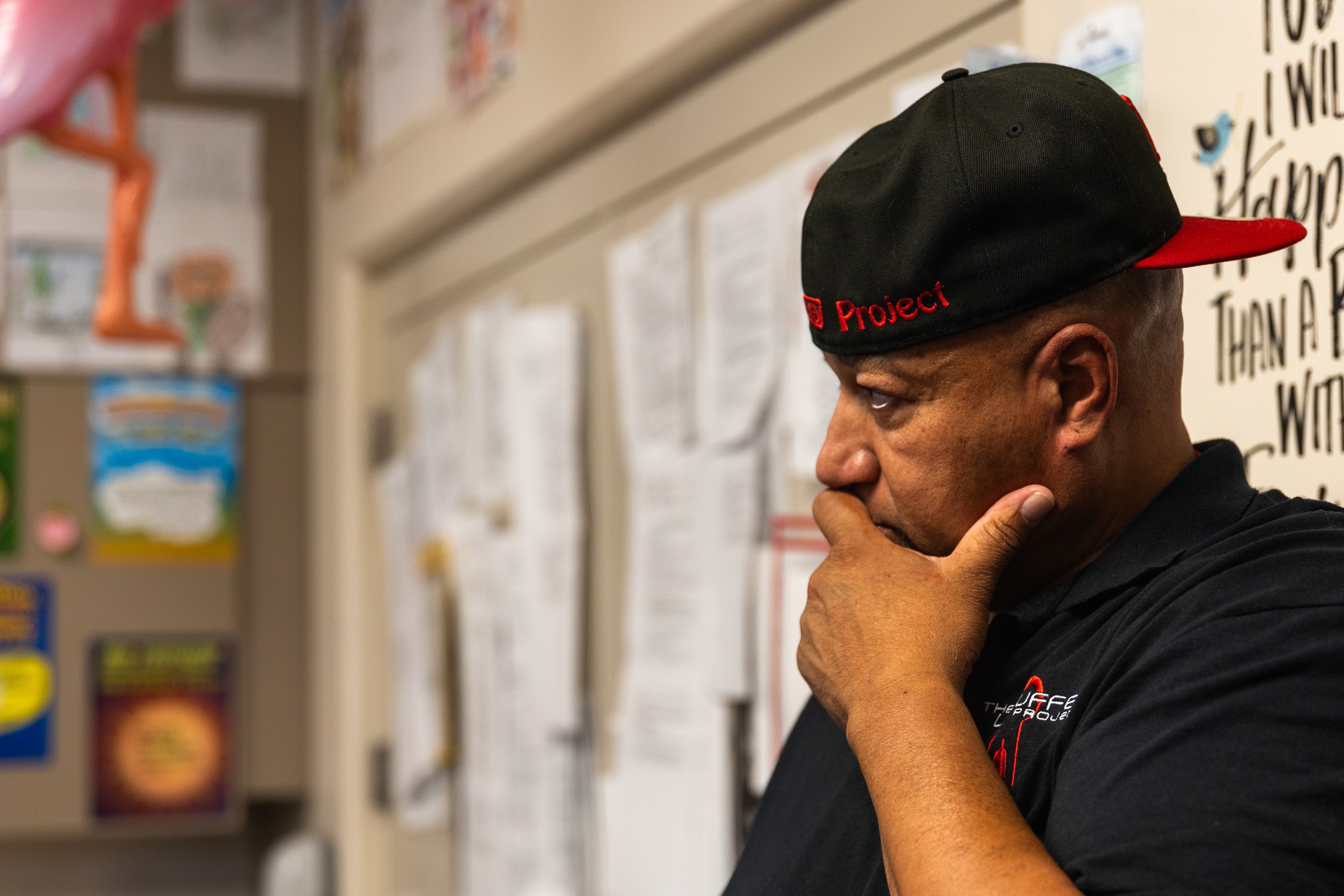
For centuries, America has renamed, repackaged, and reframed its youth justice institutions; yet the underlying architecture has remained the same. Whether labeled a penitentiary, training school, youth authority, or secure treatment facility, the structure at the center of these systems has never stopped functioning as a cage. Damon L. Cooke, Director of Community Reintegration for ARC Uncuffed, speaks to this truth with a clarity that only lived experience can produce.
In Damon L. Cooke - A Manifesto, he rejects the sanitized vocabulary that distances the public from the human impact of confinement. Instead, he tells the story from the inside; what it means when the world shrinks to concrete walls, steel doors, and a survival mindset that leaves lasting marks on the developing brain. The emotional erosion, the neural consequences, the stripping of identity; these are not theoretical harms. They are daily realities for the young people placed into systems built on decades-old assumptions about punishment, isolation, and “behavior modification.”
Cooke challenges the country to confront the uncomfortable truth: America has never meaningfully redesigned youth justice; it has only rebranded it. Even as medicine, psychology, and neuroscience have advanced, the dominant response to adolescent behavior remains rooted in a 400-year-old idea; remove the child from the community, isolate them, and hope they come back changed. But isolation does not produce transformation. It produces survival instincts, emotional suppression, and long-term harm.
The manifesto goes further by offering something America often lacks in this debate: a proven alternative. Cooke highlights the Nordic model, where youth live in small apartments, are supported by mentors rather than guards, and reintegration begins on day one. The results speak for themselves: lower recidivism, stronger community reentry, and genuine behavioral change driven by dignity rather than fear.
Central to Cooke’s message is the concept of Less Restrictive Programming (LRP). Rather than being soft on accountability, LRP recognizes that healing, not isolation, is what makes communities safer. Young people thrive when given structure, mentorship, emotional tools, and connection. They break when given only consequences, confinement, and silence.